Highlights
- Discovering the magnificent national parks of South America: Los Alerces, Patagonia, Los Glaciares, Torres del Paine, Tierra del Fuego
- Adventure drive along the iconic „Ruta 40”, „Carretera Austral” and „Ruta del Fin del Mundo” roads
- Rafting on the rapids of the Manso River
- Exploring the Marble Caves on Lake General Carrera by kayak
- Relaxing at the estancia El Cóndor
- Horseback riding or trekking along the fabulous Lake San Martín
- Trekking to the foot of the legendary Fitz Roy, Cerro Torre, Las Torres and other scenic viewpoints
- Magnificent views of the Perito Moreno Glacier
- Visiting the Magellan penguin colony at the Cape of the Virgins
- Ferry crossing of the Strait of Magellan to Tierra del Fuego
- Boat trip on the Beagle Channel with a view of Ushuaia
- Delicious steaks and fine wine
- Discovering Buenos Aires and the atmospheric towns of Patagonia: San Carlos de Bariloche, San Martín de los Andes, El Bolsón, Trevelin, Puerto Río Tranquilo, El Chaltén, El Calafate, Puerto Natales and Ushuaia
Overview
Patagonia is one of the most beautiful geographical regions on Earth. Located in Argentina and Chile is the heart of the harsh and virgin areas of South America. Once inhabited by the native communities, today it has become an important region on the tourist map of the world. However, those who come here are looking not only for beautiful landscapes or rare species of flora and fauna. They are looking for a wild adventure, unusual challenges, strong sensations and a bit of craziness. All of this can still be found on the fiery Patagonian land.
Patagonia stretches for several thousand kilometers. Its northern boundary is the Colorado River, which rises in the high Andes and flows through the rocky desert to the Atlantic. In the south Patagonia reaches as far as Tierra del Fuego. This archipelago, consisting of several thousand mostly uninhabited islands, is considered as a part of Patagonia, although it is separated from the mainland by the Strait of Magellan. These areas were earlier connected, what is evidencing by the numerous similarities in the plant and animal life. Patagonia also includes the Patagonian Andes, the mountain range stretching along the western coast, with the magnificent Patagonian Ice Field, the largest continental ice fields outside Antarctica and Greenland.
Itinerary
Day 1: Meeting in Buenos Aires and flight to Patagonia (20 km)
We meet each other in the early morning in Buenos Aires International Airport (destination) and head immediately to the center of the Argentine capital for a short walk along the shopping Florida Street. In the afternoon, we fly to San Carlos de Bariloche (a 2-hour flight) in the Lake District (northern Patagonia) in the province of Río Negro. At the airport we pick up our four-wheel drive vehicles that will be used for our journey through Patagonia. We check into a hostel in the city center and then set off to explore the town, picturesquely situated on the shores of Lake Nahuel Huapi, with buildings inspired by Swiss Alpine architecture. In the evening, we enjoy our first traditional Argentine dinner: a delicious beef steak, a baguette with chumichurri — a blend of herbs and olive, and a tomato, lettuce and onion salad, all sprinkled with a bottle of Argentine Malbec red wine. Overnight stay at the hostel.
Day 2: Exploring the Lake District (400 km)
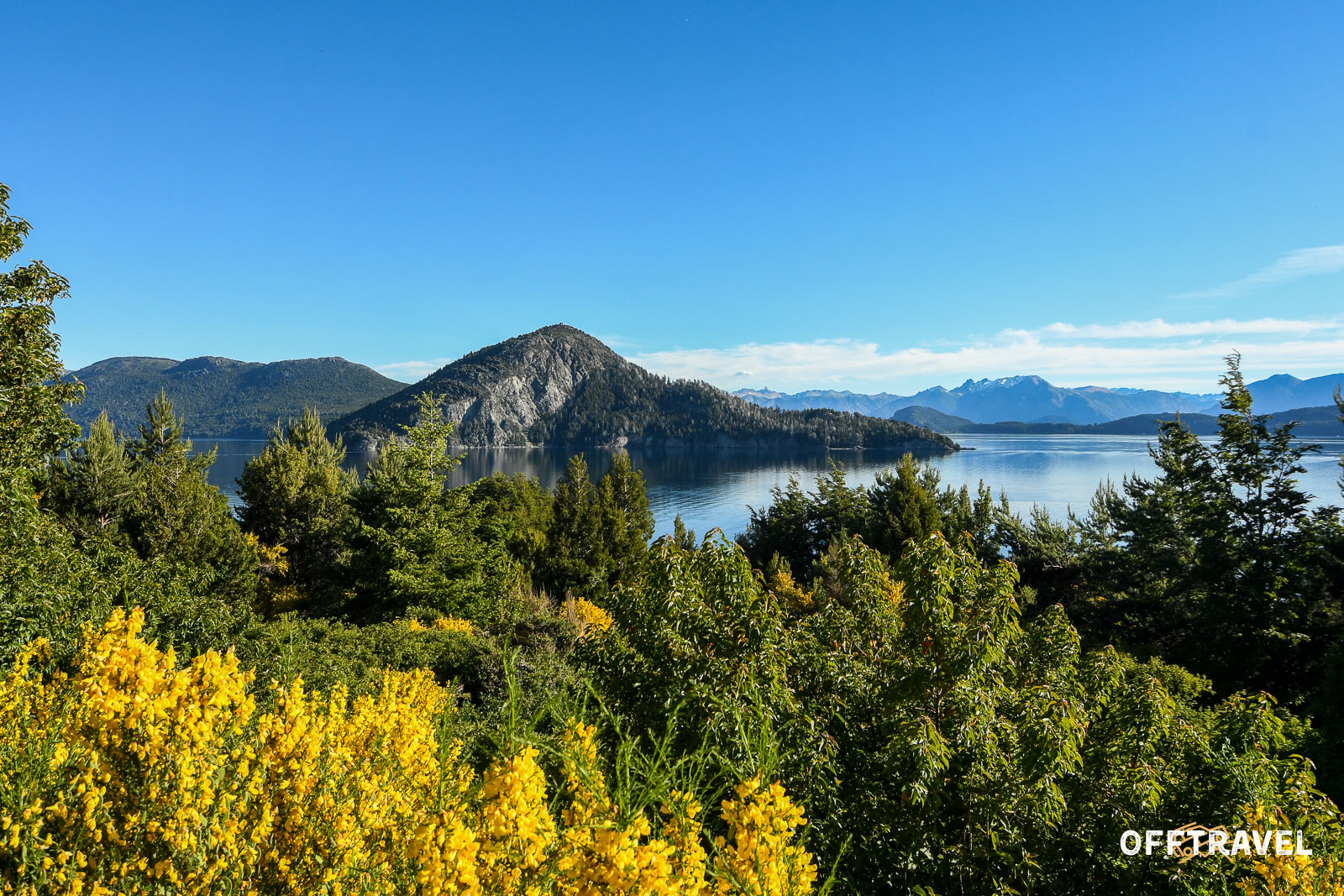
We begin our Patagonian adventure by exploring the Lake District located north of Bariloche. We follow the Route of the Seven Lakes (Ruta de los Siete Lagos). It is a part of the iconic „Ruta 40,” a road stretching over 5,000 km across Argentina from the Strait of Magellan in the south to the Bolivian border in the north, along the eastern foothills of the Andes mountains. Circling the largest lake, Nahuel Huapi, we enter the province of Neuquen. We pass the tourist town of Villa La Angostura, then the glacial lakes of Correntoso, Espejo, Traful, Villarino, Falkner, and Machónico, surrounded by high mountains. Finally, we reach Lake Lácar and the picturesque tourist town of San Martín de los Andes. After lunch, we head back to Bariloche and enjoy a dinner just as good as the day before. Overnight stay at the hostel.
Day 3: Rafting on the Manso River (180 km)
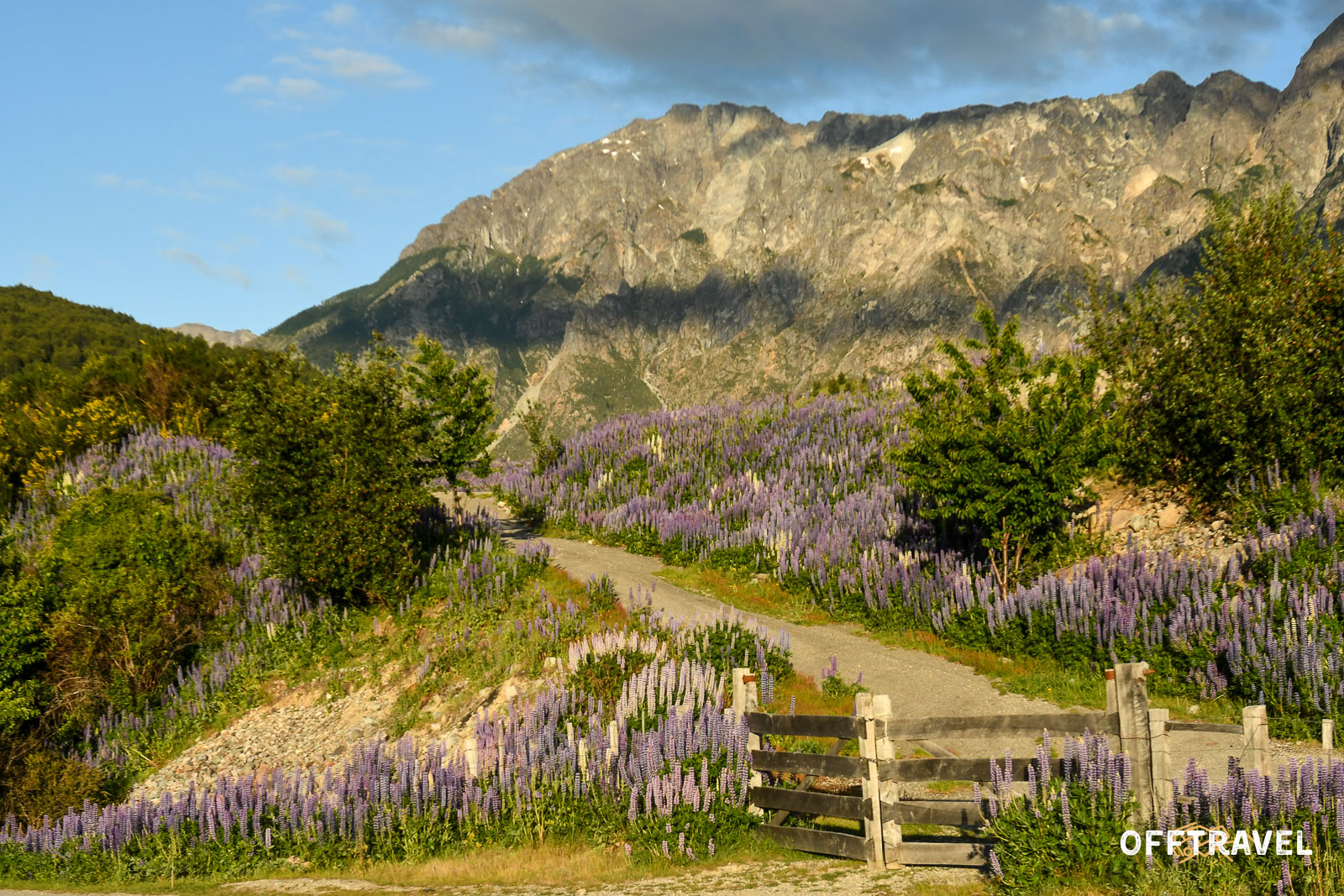
This day will be dedicated to whitewater rafting on the Manso River, which flows south of Bariloche. It originates from the glaciers on the slopes of Cerro Tronador, a mountain located on the border between Argentina and Chile. We leave Bariloche and after a 2-hour drive south along the „Ruta 40” we arrive at the rafting site. The rafting begins with a safety briefing led by an instructor and a skipper, who will accompany us throughout the rafting trip. Each participant is equipped with complete equipment, including a wetsuit, life jacket, helmet, non-slip shoes, and a paddle. We launch our 8-person rafts and set off down the picturesque river. Manso River gently winds between forested mountains and is crisscrossed by several class III and IV rapids. After an hour and a half, we reach the Chilean border, which the river crosses on its way to the Pacific Ocean, and where we finish our trip. After drying off and enjoying a small lunch, we continue south drive to the charming town of El Bolsón. Overnight stay at the hostel.
Day 4: Visiting Los Alerces National Park and drive to Lake Vintter (320 km)
We leave El Bolsón and keep driving south to Los Alerces National Park, located in Chubut Province. Before entering the park, we stop briefly near the town of Cholila, home to the infamous robbers Butch Cassidy and the Sundance Kid in the early 20th century. Los Alerces National Park is the quintessence of landscapes in this part of the Patagonia. High mountains covered with dense forests, and glaciers at the peaks, rise directly from crystal-clear lakes. During our drive through the park, we take a short 2-hour trek and stop at numerous scenic spots, admiring beautiful views of emerald lakes, forested mountains and glaciers. Before heading out further south we stop in the town of Trevelin, founded by Welsh settlers, for coffee and fuel refill. After another two hours of driving through Corcovado we arrive at the uninhabited Lake Vintter. Overnight stay in a wooden hut.
Day 5: Trekking to Mount Riñón with condors’ views
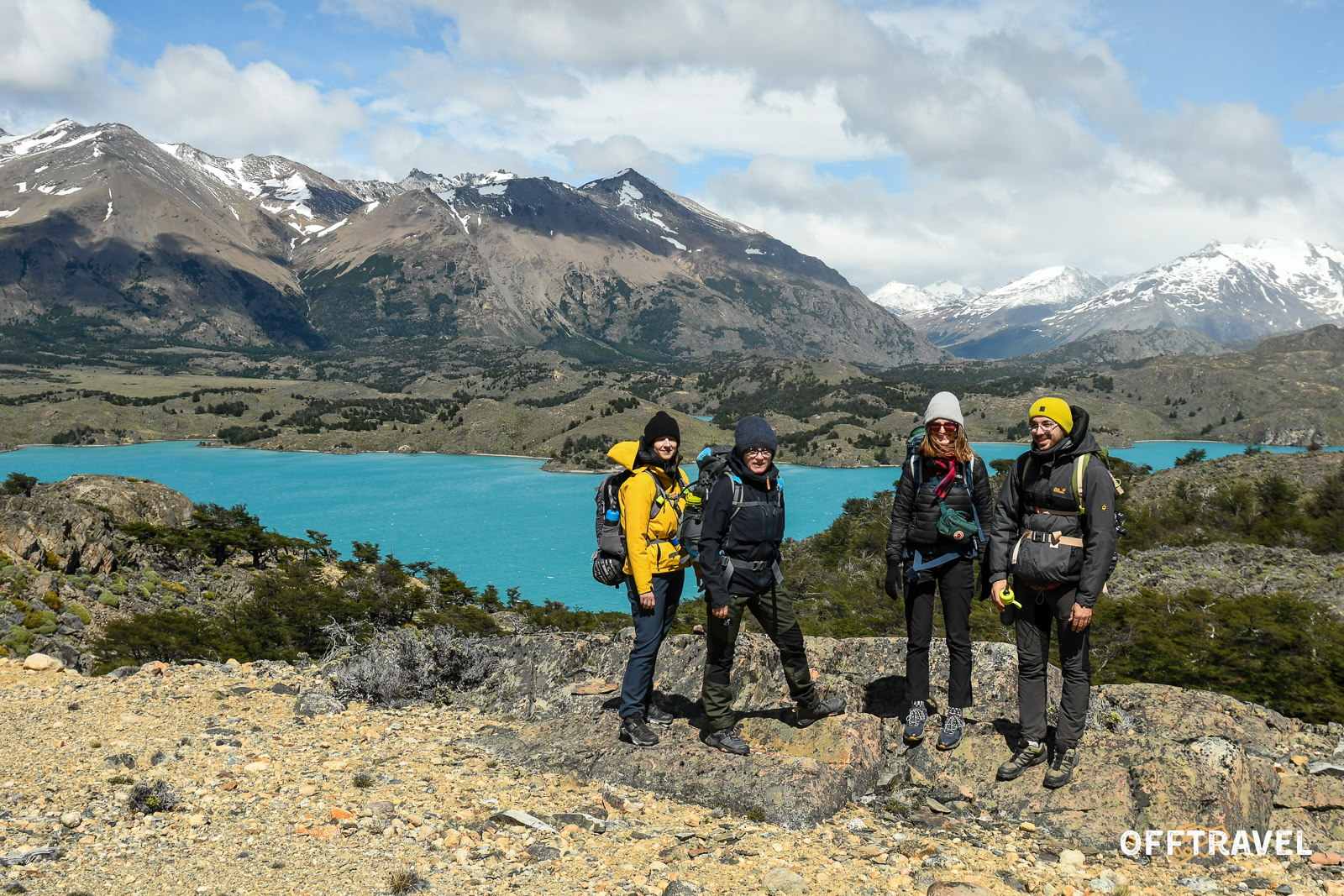
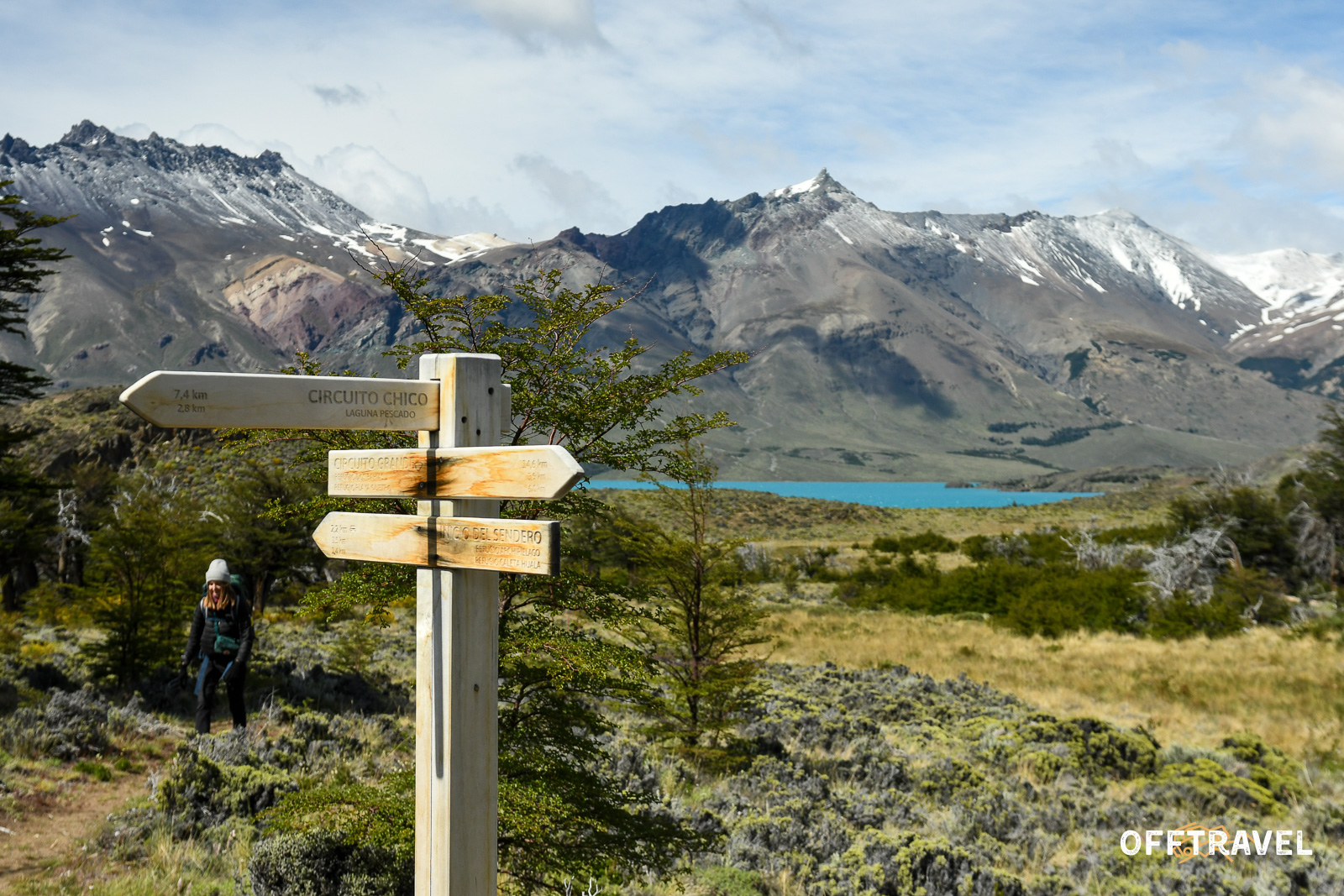
Before heading out further south we take a day off from the drive. We embark on our first longer hike to the scenic Mount Riñón (1814 m above sea level). From its summit we can admire Lake Vintter, stretching towards Chile and known there as Lago Palena, the surrounding colorful rocky peaks and rugged, hilly plains. The hike initially leads through dense leafy forest dominated by typical in Patagonia the Lenga and Ñire trees, and above it we face exposed, rocky ridges. Condors, accustomed to these desolate areas, soar overhead. After 5 km of walk and 900 m of ascent we reach an unassuming summit, which, in good weather conditions, offers a magnificent panorama of the lake, mountains and plains. After returning to the camp, we enjoy a relaxing break by the lake. Overnight stay in a wooden hut.
Day 6: Entering Chile and drive the Carretera Austral (450 km)
Using one of the many gravel roads that wind through Patagonia, we cross the border into the Chilean Aysén region to see what Patagonia looks like on the western side of the Andes range. Through the valley of the winding Cisnes River, we enter National Road No. 7, commonly known as the „Carretera Austral.” The Southern Highway is the main transportation route in southern Chile, stretching north to south along the western side of the Andes for over 1,200 km. Along the way we stop at scenic spots. In the evening we arrive to the village of Villa Cerro Castillo, located at the foot of Cerro Castillo National Park. Overnight stay in a wooden hut overlooking Mount Castle.
Day 7: Kayak trip to the Marble Caves (170 km)
Early in the morning we head out to Lake General Carrera, the largest glacial lake in Patagonia and the second largest in South America (after Lake Titicaca). Located on the border between Chile and Argentina, it’s called Buenos Aires on the Argentine side. After reaching the charming town of Puerto Río Tranquilo, situated right on the lake’s shore, weather permitting, we move into kayaks to explore on our own the Marble Chapel, the Cathedral and other smaller caves. The famous Marble Caves were formed over 6,000 years ago by the erosion activity of the lake’s waters onto the marble rocks that form its shores. After finishing our trip we take a lunch in Puerto Río Tranquilo and drive along the western shore of Lake General Carrera. Overnight stay in tents at the campsite.
Day 8: Stunning views of Lake General Carrera and Patagonia National Park (320 km)
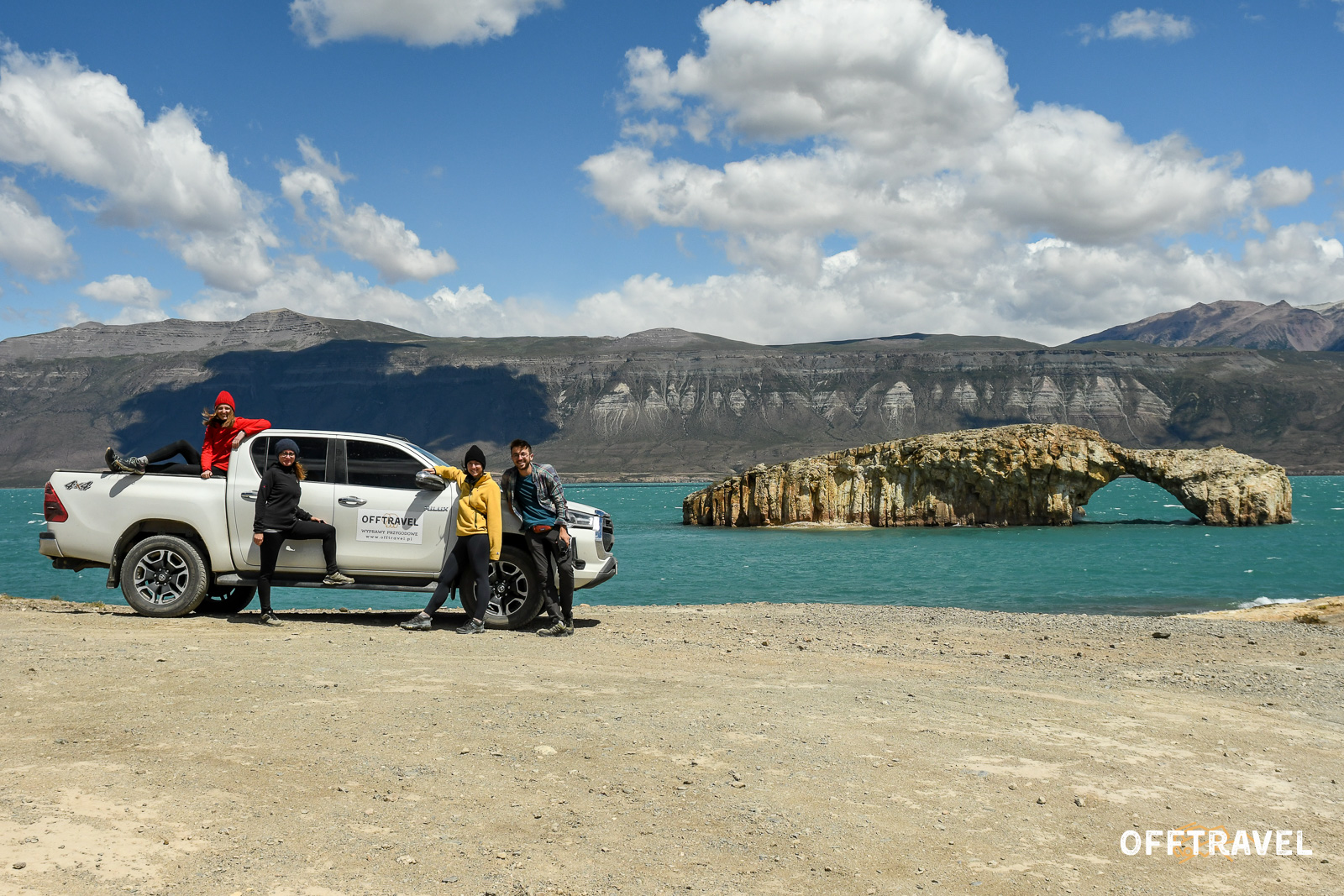
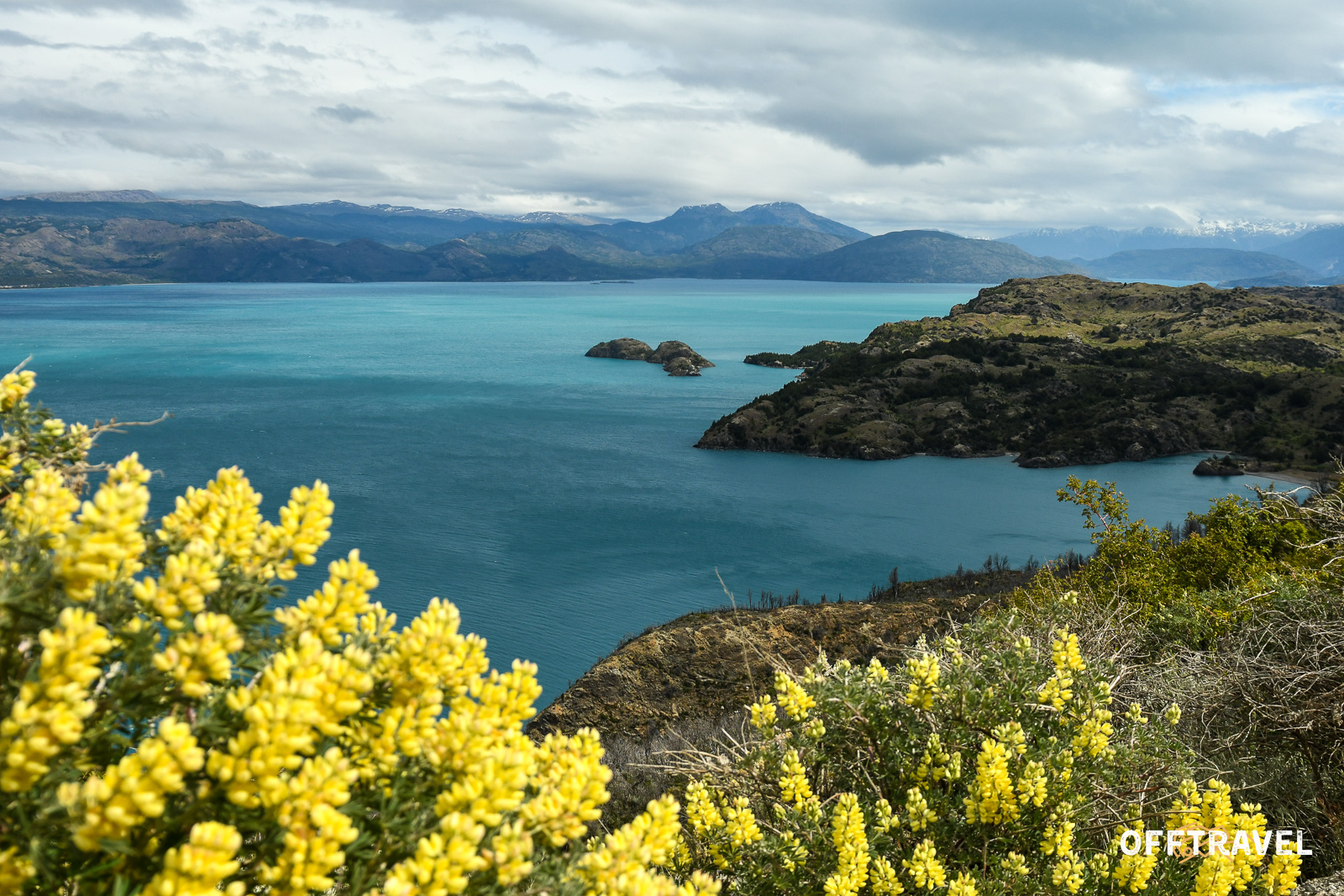
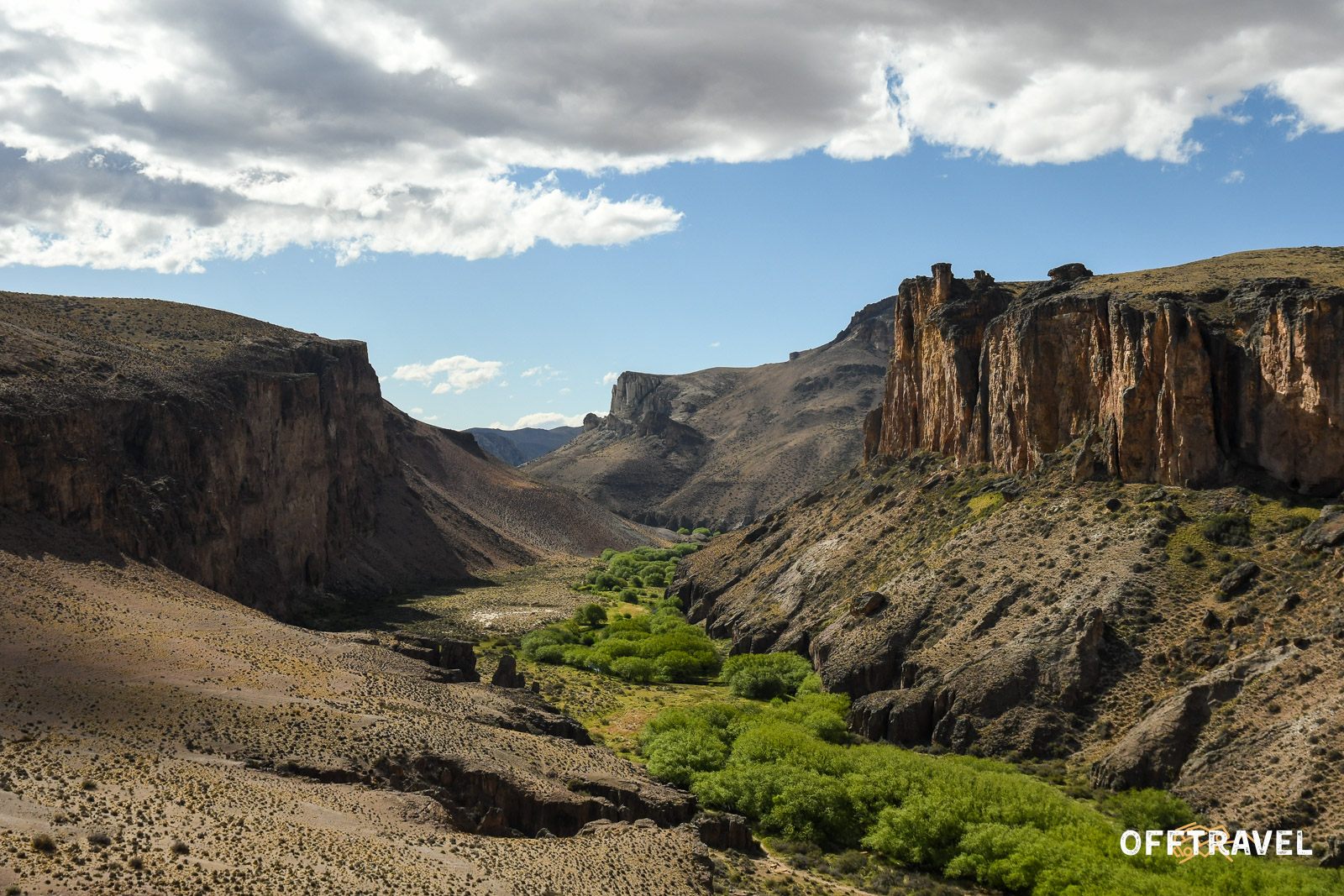
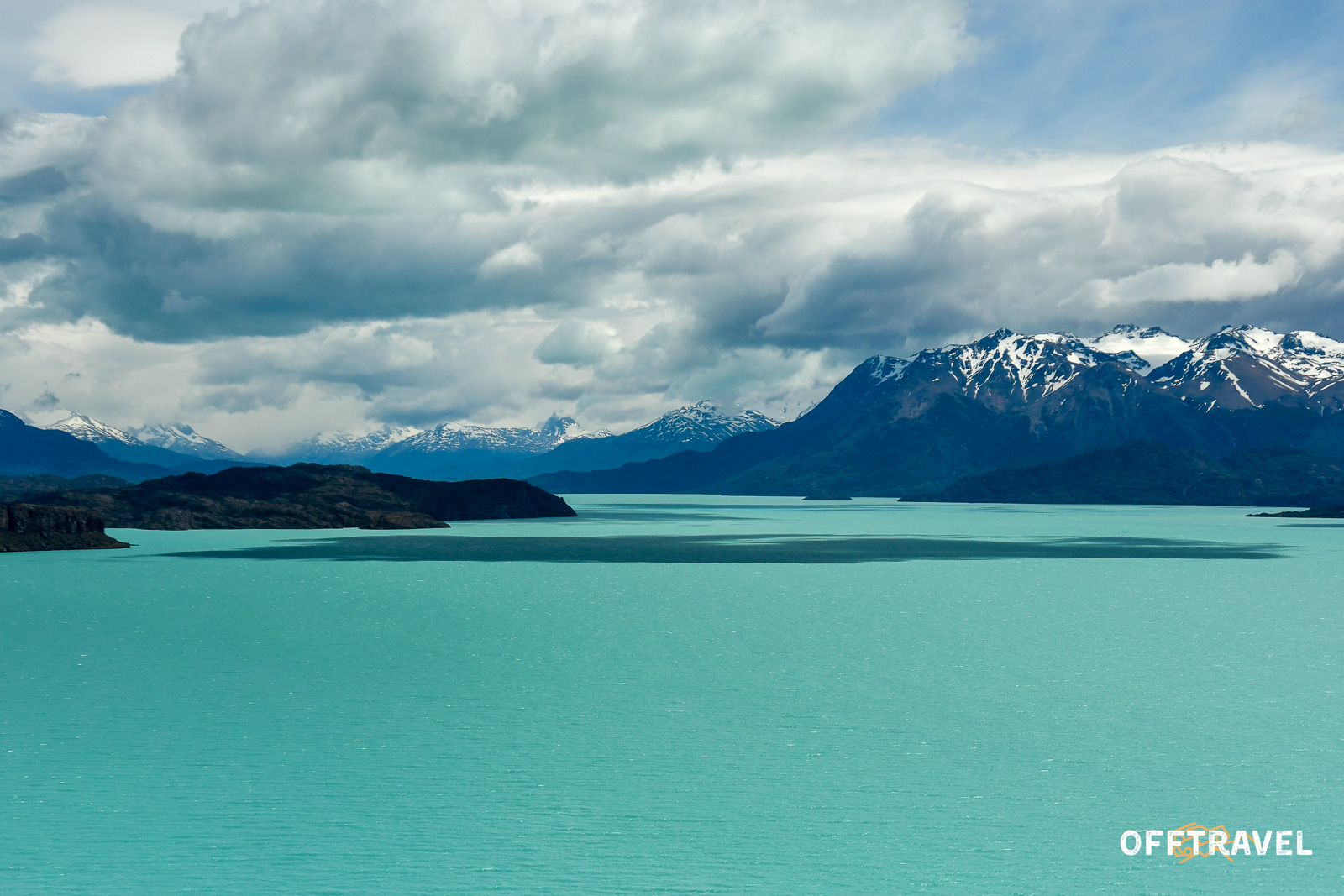
After breakfast we continue our drive on the gravel roads along the western and southern shores of Lake General Carrera, making numerous stops to admire the stunning views of the turquoise waters and towering mountains covered by glaciers flowing from the Patagonian Ice Field. In the afternoon we cross the border again and enter the Argentine province of Santa Cruz. From Los Antiguos we head out south along scenic Route 41 through Patagonia National Park. The gravel road leads us through virtually uninhabited terrain, dotted with rugged mountains and interesting rock formations. In the evening we arrive at the picturesque Argentine lakes of Posadas and Pueyrredón. Overnight in tents at the campsite.
Day 9: Drive along the iconic "Ruta 40" to estancia El Cóndor (570 km)
Passing Lago Posadas we return to the main track and keep driving south along the legendary „Ruta 40.” In this part of Patagonia the landscape becomes deserted and uninhabited. The only signs of wildlife encountered along the way are herds of guanacos and choiques. After reaching the town of Tres Lagos, we turn towards Lake San Martín and after another 130 km on a gravel road, we reach estancia El Cóndor. After check-in at Argentine ranch dinner and overnight.
Days 10-11: Resting, horseback riding and trekking on Lake San Martín
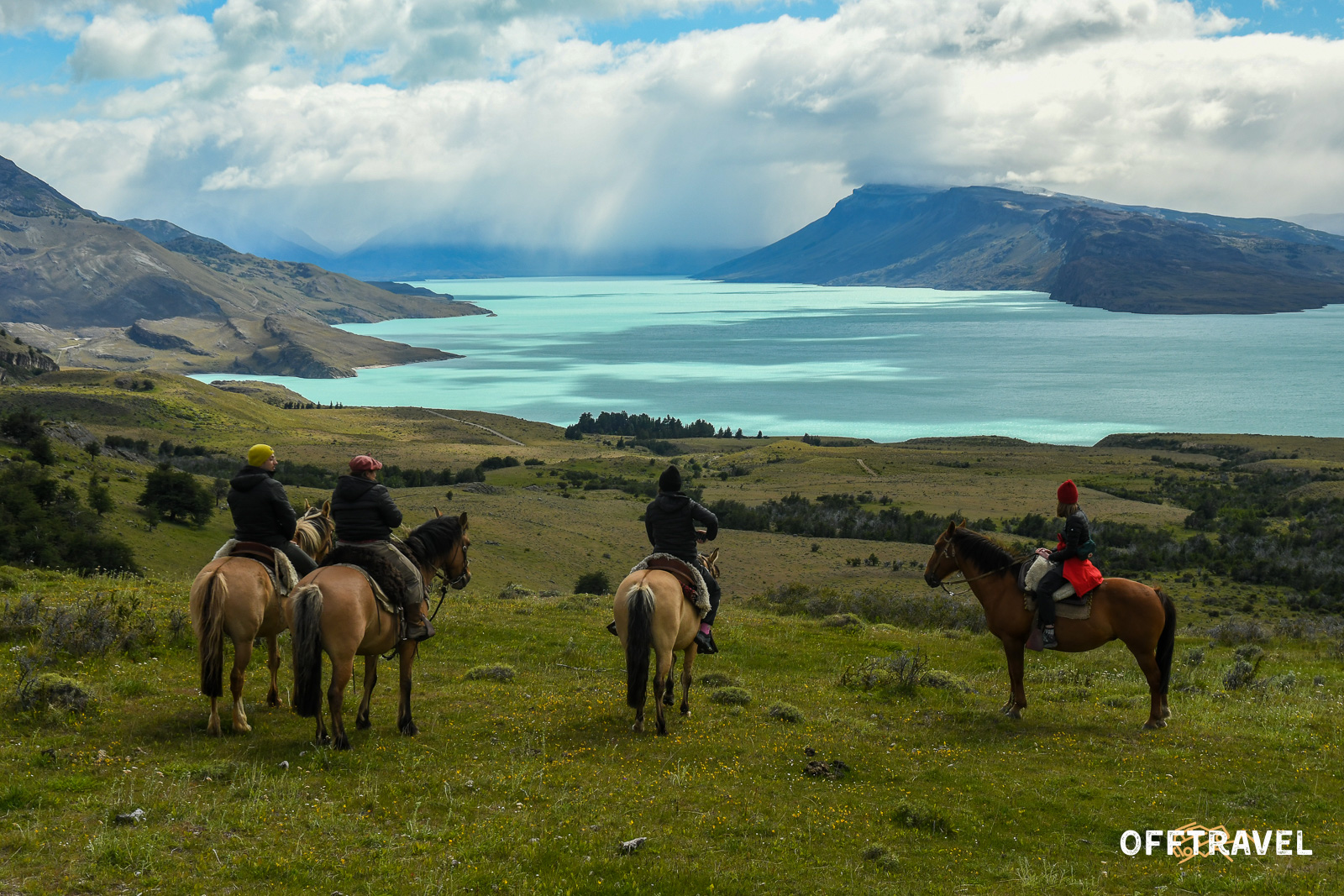
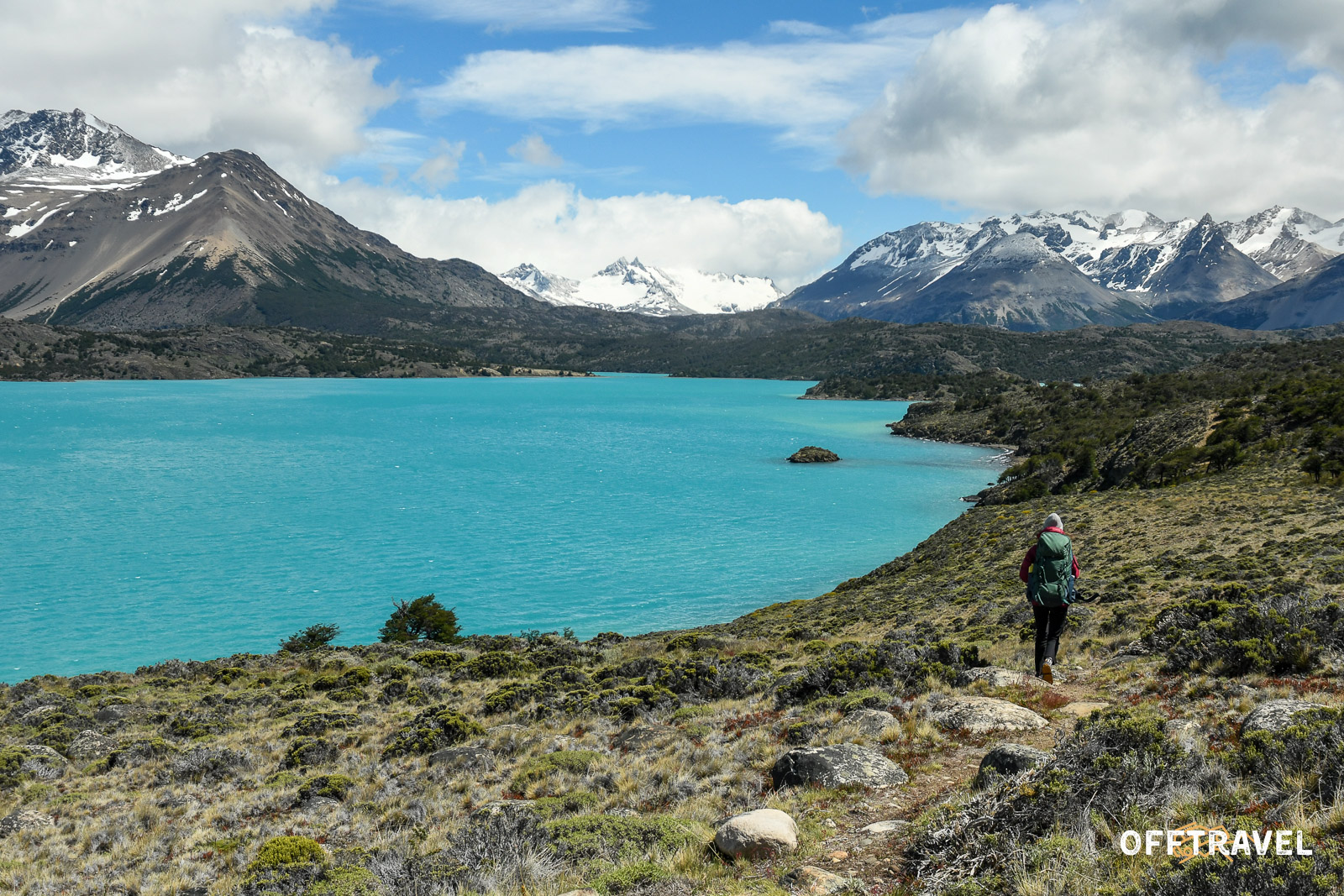
We take a well-deserved break from the drive. Two-day stay at estancia El Cóndor we allocate for recovery after previous hardships of the trip, but also to explore another extraordinary place in Patagonia. Horseback riders set off the saddles (non-riders on their foot) along the mountainous shores of Lake San Martín towards the La Nana post. We are leaded by local guide, mount calm, well-trained Creole horses, in comfortable, wide saddles. During a few hours ride we stop at many spots offering fabulous views of the lake, mountains and soaring in the sky condors. If the terrain allows, we try some trot or cantar. Upon reaching La Nana we make a fire and stay overnight in the wooden hut. Next day we return to the heart of the estancia following a similar trail along Lake San Martín we got to La Nana a day before. In the afternoon rest and overnight stay at the estancia main house.
In case of participating in a horseback ride the Participant should have trail horseback riding experience (multi-hours recreational trail trips) and should have walk and trot riding skills.
Days 12-13: Drive to El Chaltén and trekking in Los Glaciares National Park (240 km)
Entire morning we spend at estancia El Cóndor, enjoying the silence and uniqueness of this place. Then, we drive to the tourist town of El Chaltén, hidden among the mountains. This Argentina’s „capital of trekking” offers stunning views of Fitz Roy and Cerro Torre, the rocky spires located in the northern part of Los Glaciares National Park. At the same afternoon we fill up food supplies, pack our backpacks, and set off on a 1.5-day trek. The hike to the base of Fitz Roy takes 3 hours, while we make 8 km and 400 meters of elevation gain. Night we spend the in tents at camping Poincenot, dinner prepare together on gas stoves.
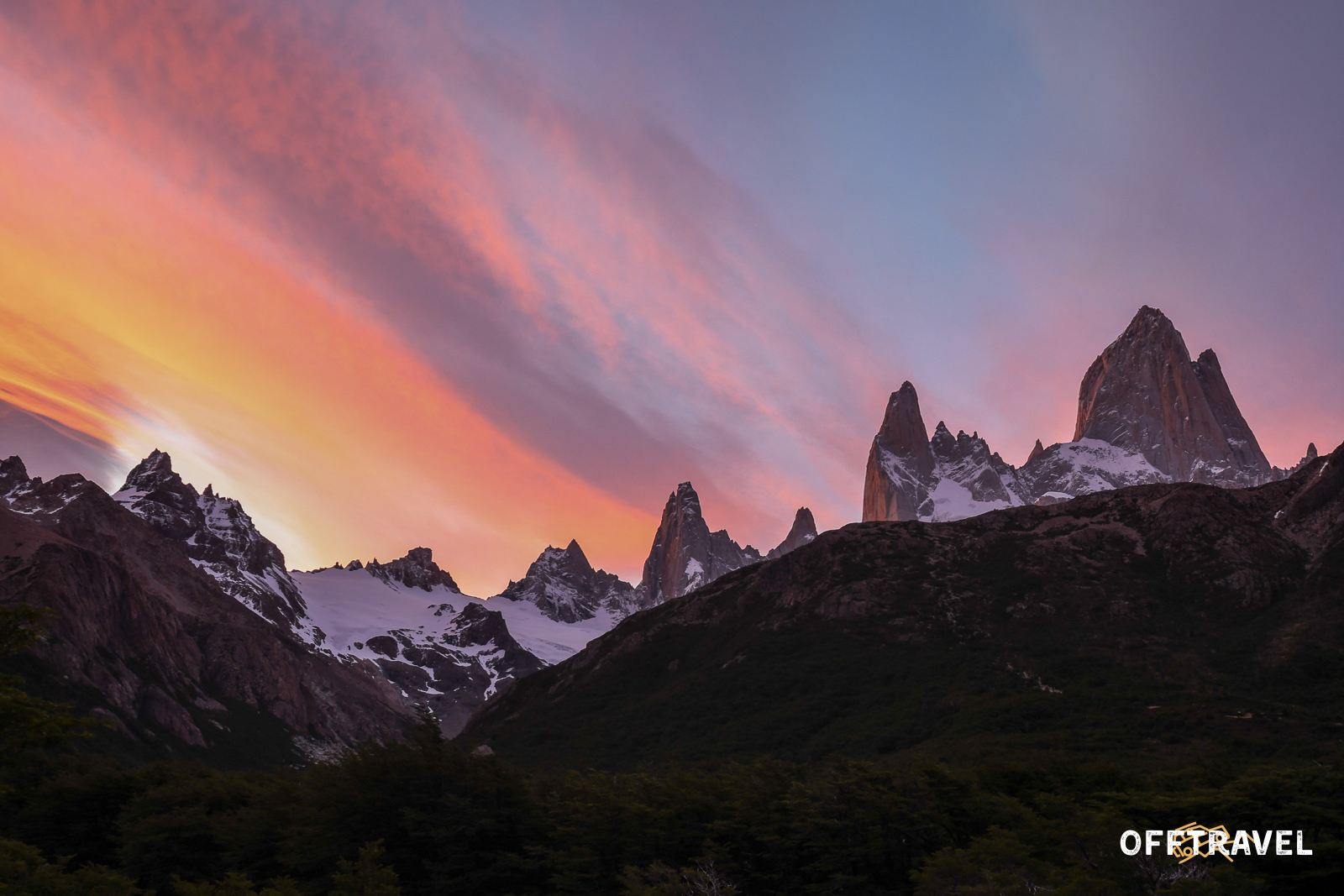
The next day we rise two hours before dawn to check in at the viewpoint just above Laguna de los Tres at sunrise. Weather permitting, this time of day offers a magnificent view of the „flaming” eastern face of Fitz Roy. Next we descend to the campsite and, after packing up our camp, set off towards Cerro Torre. The hike takes us along forest paths among dwarf Patagonian Lenga and Ñire trees and glacial lakes. In the evening we descend to El Chaltén. Overnight stay at the hostel.
Day 14: Drive to El Calafate, the Argentina's "capital of glaciers” (210 km)
Morning time we spend for shopping of souvenirs and taking short walks to the numerous viewpoints around El Chaltén. Then we drive to El Calafate, the most touristic town in Argentine Patagonia, situated on the huge Lake Argentino. In the evening we walk along the main street and take a dinner at a charming restaurant. Overnight stay at the hostel.
Day 15: Unforgettable views of the Perito Moreno Glacier and entering Chile (350 km)
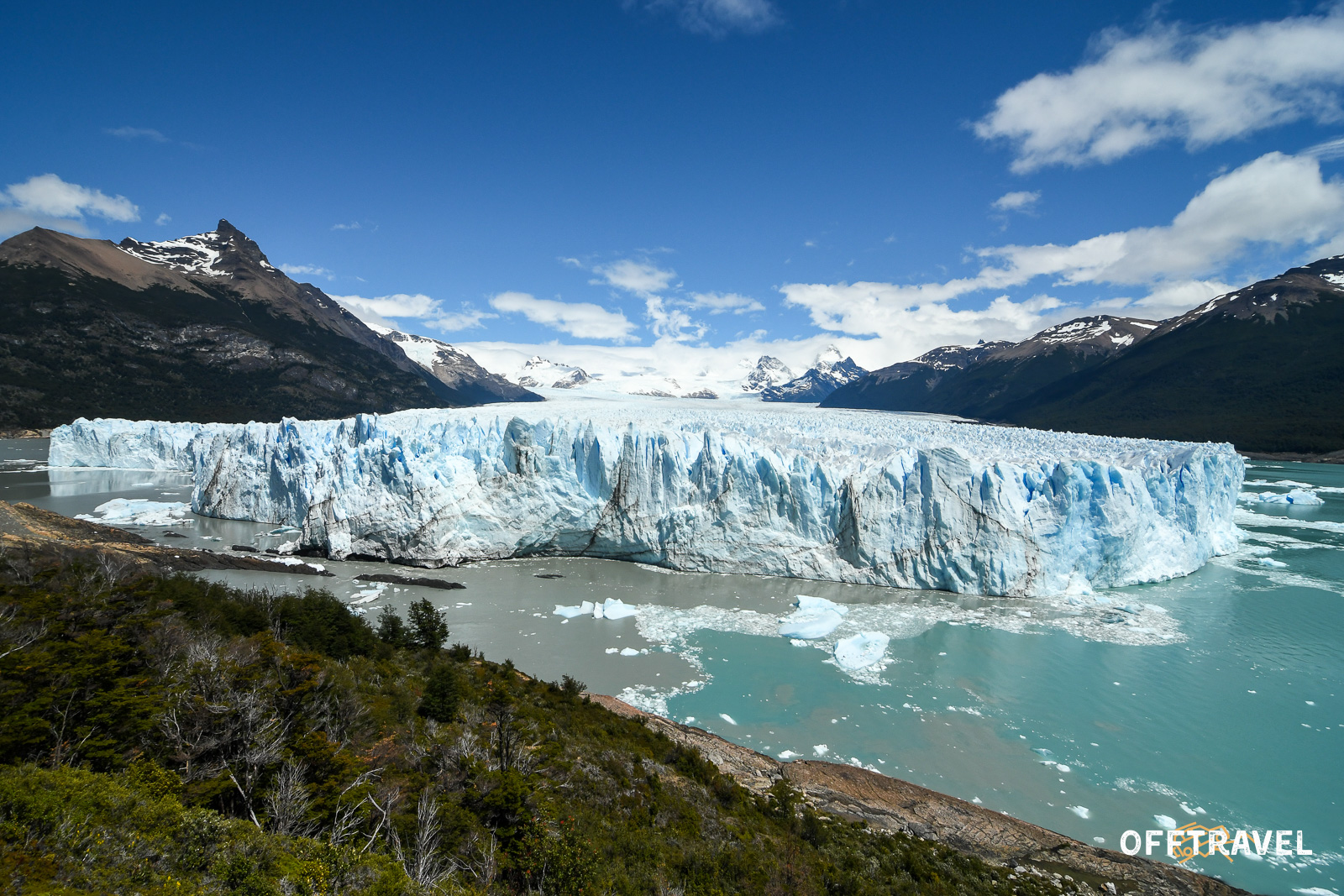
Time for Argentina’s greatest natural attraction. We set off to see the Perito Moreno Glacier, located just an hour drive from El Calafate. We admire the glacier from land, walking along comfortable footbridges. The most impressive is his over 40-meter-high front wall, with giant blocks of ice regularly breaking off and falling into Lake Argentino. A few hours photo session in one of Argentina’s most stunning natural sites is a perfect opportunity for a moment of rest and reflection. In the afternoon we return to El Calafate and head out to Chile to see the greatest natural attraction in Chilean Patagonia, Torres del Paine National Park, located in the Magallanes region. Overnight stay in tents at a campsite.
Day 16: Trekking to the Base de las Torres viewpoint (30 km)
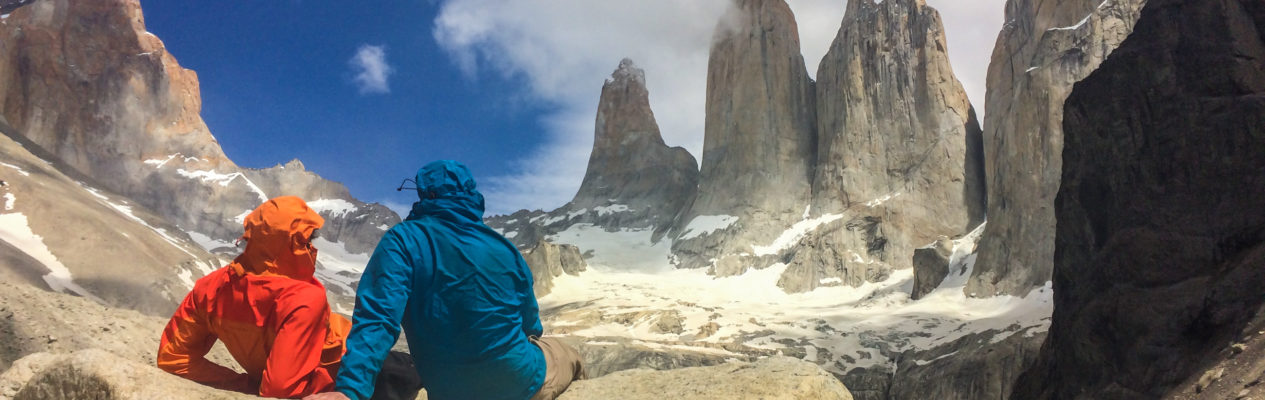
After an early breakfast, we set off on a hike to the foot of the famous Las Torres towers. The trail follows an open, grassy ridge, and after the rest at the Chileno refuge, we get into a densely forested valley. After a 5-hour hike, covering 10 km and 900 meters of elevation gain culminating in a steep ascent, we reach Laguna Torres. We take a break by a glacial lake, soaking up the stunning views of the glaciers, towering mountains and rocky spires of the Torres, whose highest point reaches 2,850 meters above sea level. We descend along the familiar trail and drive through Torres del Paine National Park. Overnight stay in tents at a campsite on Lake Pehoé.
Day 17: Torres del Paine National Park tour and drive to the Atlantic Ocean (490 km)
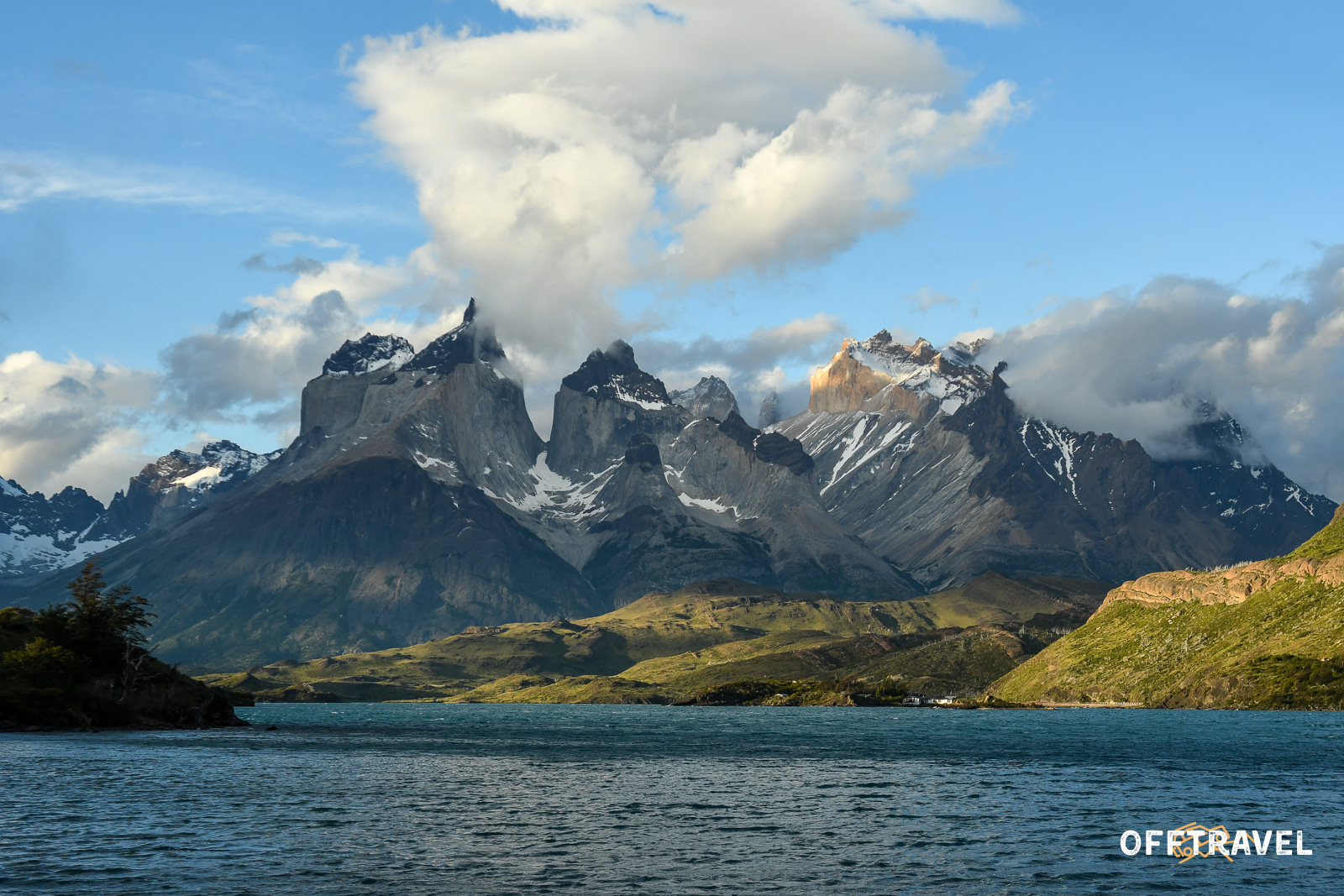
This day we begin with an hour hike to the Condor viewpoint, which, in good weather conditions, offers phenomenal views of the Paine Grande massif, Cuernos del Paine wall and Lake Pehoé. From here, you can also see the outline of the Patagonian Ice Field. After descending we continue our drive tour around Torres del Paine National Park, stopping at several viewpoints. We stop for a lunch in Puerto Natales, a town picturesquely situated on the Last Hope Bay. Then we go back to the Argentine province of Santa Cruz. Late in the evening we arrive at Cape of the Virgins, at the mouth of the Strait of Magellan on the Atlantic Ocean. Overnight stay in tents by the ocean.
Day 18: Penguin walk at Cape of the Virgins and drive to Tierra del Fuego island (570 km)
After breakfast we visit a colony of Magellanic penguins, which have chosen Cape of the Virgins (Cabo Virgenes) as one of their main breeding spots in Patagonia. In some seasons, several thousand pairs of birds can be seen there. In spring nests are also full of young. We also stop at the lighthouse, where we can find a sign marking kilometer 0 of the „Ruta 40.” Then we enter last time to Chile and cross the Strait of Magellan by ferry at its narrowest point (5 km wide) reaching the Tierra del Fuego, the largest island in the archipelago of the same name. Finally, we re-enter Argentina, to province of Tierra del Fuego. Overnight stay at the hostel on Lake Fagnano.
Day 19: Reaching Ushuaia and boat trip through the Beagle Channel (140 km)
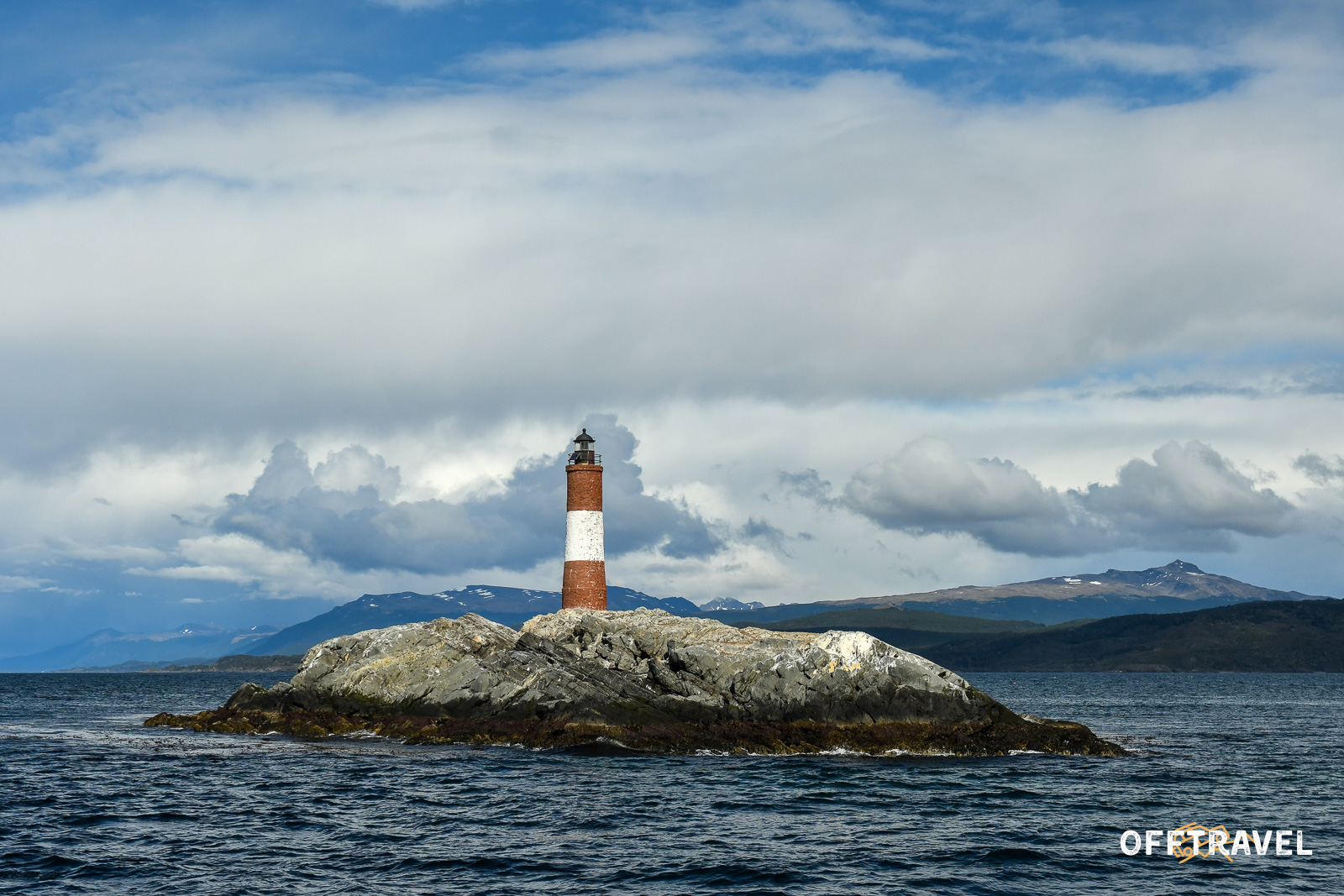
At noon we arrive to Ushuaia, Argentina’s southernmost city. We head to San Martín Street, lined with souvenir shops and charming pubs. In the afternoon we take a 4-hour cruise on a small motorboat through the Beagle Channel. The entire channel is over 200 km long and connects the Pacific and Atlantic Oceans from west to east. During the cruise, we visit colonies of cormorants and sea lions, reach the old Les Éclaireurs lighthouse, and embark on a one-hour hike at „H” Island. We learn about the history and traditions of the Yámana Indians, who inhabited the channel area over 10,000 years ago. After returning from the trip we head to our last Patagonian dinner. Overnight stay at the hostel.
Day 20: Farewell to Patagonia and flight back to Buenos Aires
In the morning we head to the city to make some last-minute Patagonian souvenirs shopping. Then, we go to the airport, return our cars, and fly to Buenos Aires (3.5-hour flight). After arriving in the Argentine capital we head to the cozy Palermo district. Overnight stay at the hotel.
Day 21: Tasting of the Buenos Aires charms
This day is dedicated to exploring Buenos Aires, one of the most interesting cities in South America. We begin with the atmospheric La Boca district, famous for its colorful houses and the Boca Juniors soccer stadium. Then we pass through the city’s oldest district San Telmo, where we stop for a lunch. We reach the city center, with its Plaza de Mayo and cathedral. After that we visit Puerto Madero, the old port surrounded by renovated docks. Returning to Palermo, we stop at the Recoleta Cemetery, famous for its beautiful tombs of Argentine public persons. In the evening, we head to last Argentine dinner, followed by a taste of Palermo’s nightlife. Overnight stay at the hotel.
Days 22: Return from Argentina
In the morning we take the final walk through Palermo. At noon we head to the airport and depart Argentina.
Important information
- The Participant is required to have a passport valid for at least 6 months from the date of the Expedition return, with at least one blank page.
- The Participant should be familiar with current passport, visa and sanitary regulations as well as health requirements including recommended vaccinations, available on the website of the embassy or the Ministry of Foreign Affairs of his / her country of residence.
- The Expedition is organized in accordance with the terms and conditions set out in
the Terms and conditions of participating expeditions. - The Participant should have at least basic English-speaking skills.
Tour equipment
Check our tour equipment' recommendation. In case of any questions, please contact us.


Road trip
Hiking
Horseback
riding
Rafting
High
mountains
Wildlife
Expedition cost
Include:
- organisation of the Expedition and support of the English-speaking Leader
- flights on the Buenos Aires – Bariloche and Ushuaia – Buenos Aires routes (scheduled flights, economy class, checked baggage up to 20 kg + carry-on baggage up to 8 kg)
- reservation of off-road vehicles
- providing of camping equipment (2-person tents, transport bags)
- expedition package (T-shirt, multifunctional neckwear)
- medical expenses and assistance insurance (KL), personal accidents insurance (NNW) and luggage insurance (BP)
- Tourist Guarantee Fund and Tourist Assistance Fund fees
Payable by bank transfer within 3 days from the Agreement date
Include:
- rental of off-road vehicles with insurance + fuel purchase
- rafting on the Manso River
- kayaking trip to the Marble Caves
- 3-day stay at estancia El Cóndor, including activities and meals
Payable by bank transfer up to 60 days before the Expedition in USD or EUR according to the ECB exchange rate on the day preceding the payment date
Additional Costs
Includes:
- taxis’ and public transport’ transfers in Buenos Aires
- a boat trip on the Beagle Channel
- meals from Day 1 to Day 22 of the Expedition (meals at accommodations places or prepared collectively in camping conditions using products purchased in stores)
- accommodation (21 nights) in tents (2-person), huts (shared dormitories), estancias, hotels and hostels (double or triple rooms) according to the Itinerary
- entrance tickets to national parks and visited sites
Taking by Participant in cash for the Expedition
Supplements
Expedition Cost and Additional Costs do not include meals eaten in restaurants and cafés (costing approximately 500 USD) and additional services (e.g. internet access, laundry).
Self-organized flight to Buenos Aires, Argentina.


Gallery